Finding Your First Fans: How Solo Founders Can Tap into Niche Online Communities for Early Growth

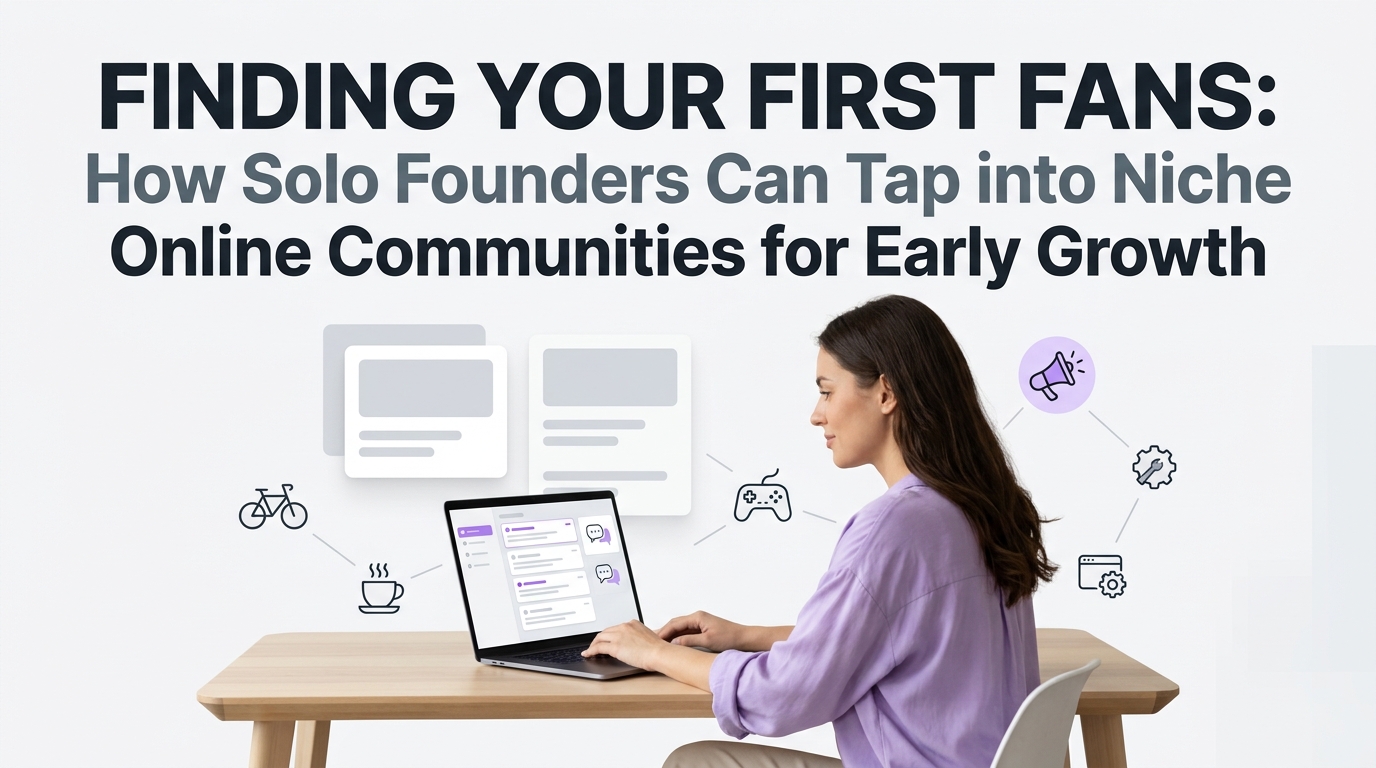
Building a product as a solo founder is a constant game of trade-offs. When your day is already split between squashing bugs and shipping features, "distribution" feels like a mountain you’re just not equipped to climb—especially when you have a marketing budget of zero dollars.
The standard advice is usually to "build in public" or wait for "organic reach" to save you. But let’s be honest: building in public has become a crowded echo chamber where founders mostly just shout at other founders. And organic reach? It’s effectively on life support. If you want your product to be seen today, you can’t just post and pray; you need a proactive strategy. Many founders fall into the trap of thinking if they build it, users will simply come, but real growth requires moving beyond the technical development phase.
For the one-person business, the most reliable path to traction isn’t a viral tweet or a lucky break on Product Hunt. It’s Trust-Led Growth.
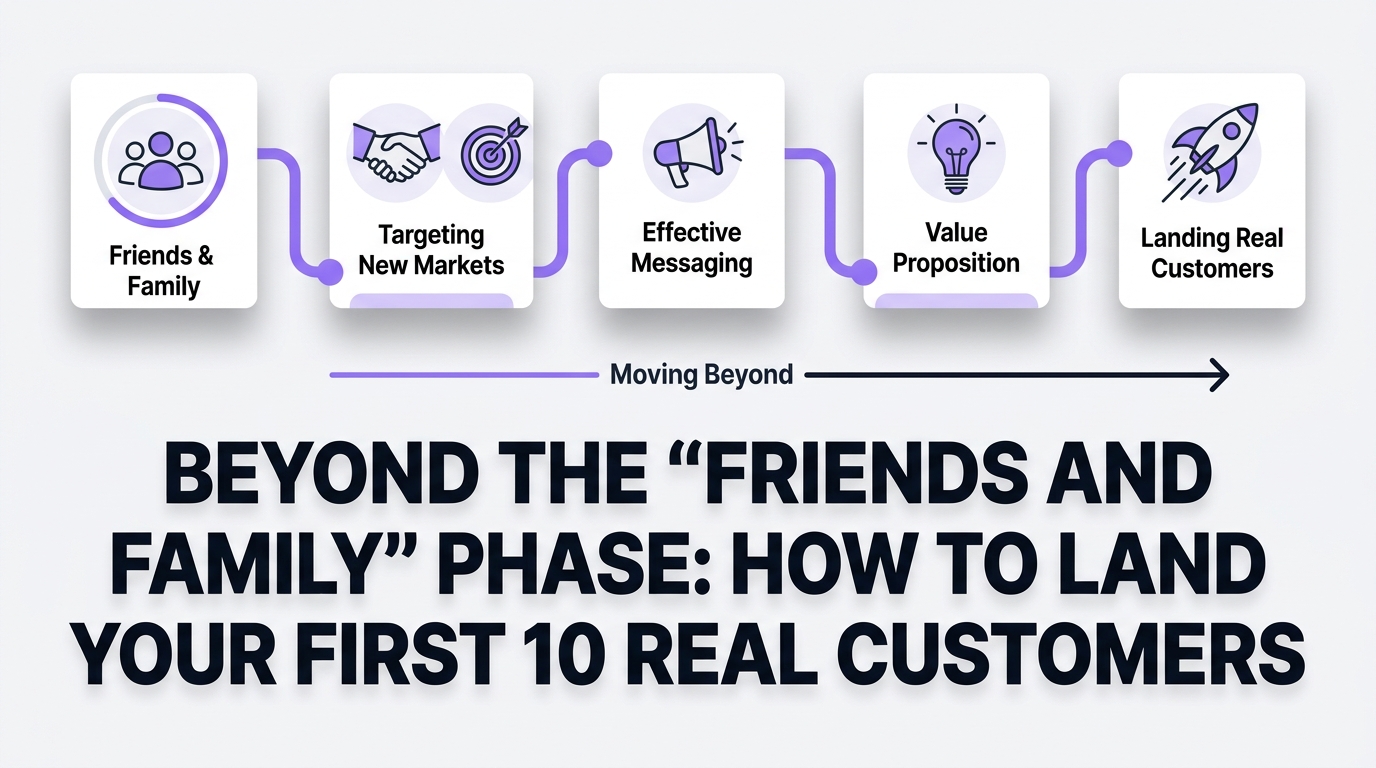
This means finding the niche corners of the internet where your potential users are already venting their frustrations and showing up with genuine value before you ever mention a sign-up link. Here is how to find those communities, earn their trust, and land your first 10 real customers by turning conversations into users.
Stop Hunting "Leads" and Start Finding People
The biggest mistake early-stage founders make is treating community members like "leads to be closed."
If you drop into a subreddit, a Slack group, or a Discord server with a sales-first mindset, the community will smell it instantly. Pitching your product in a thread before you’ve contributed anything isn't just ineffective—it’s brand self-sabotage.
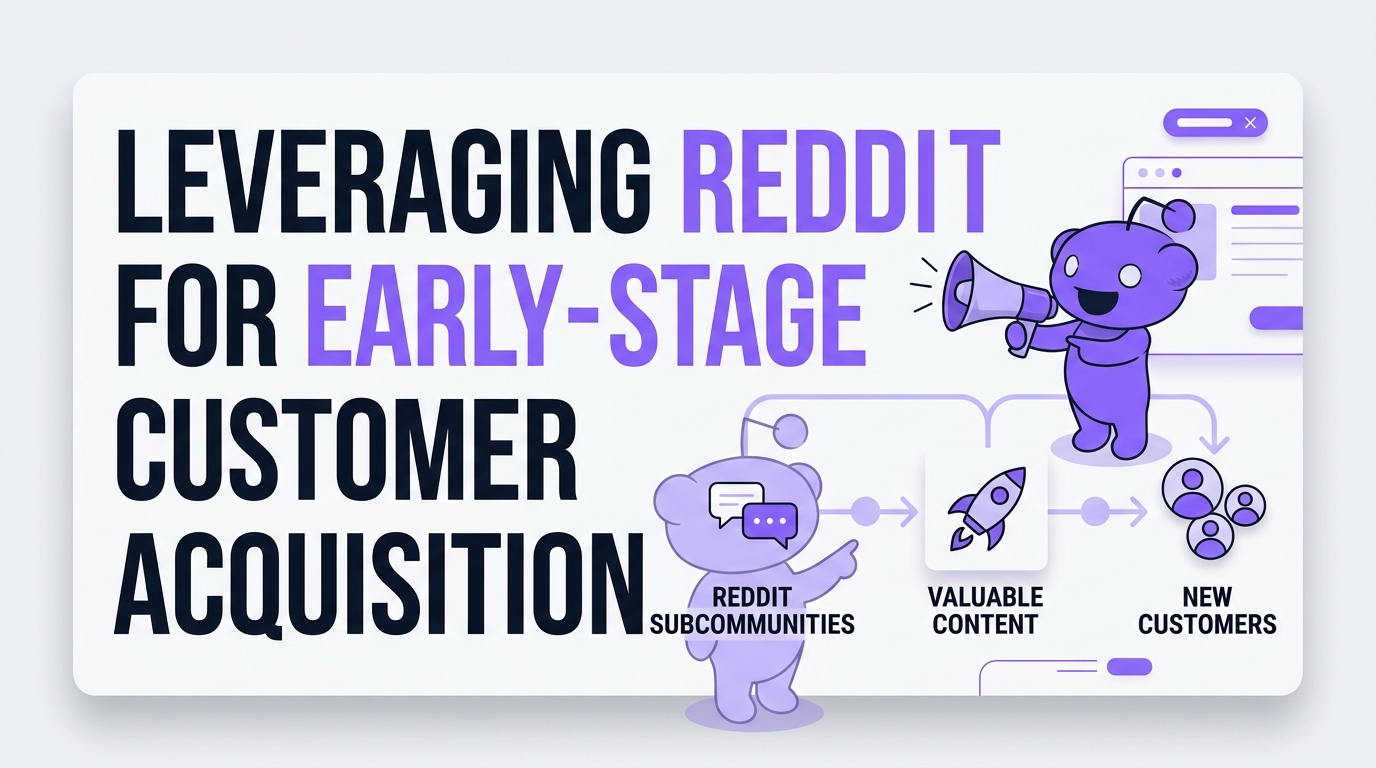
Early growth isn't a volume game; it’s a trust game. Your first ten users aren't "conversions." They are real people looking for a solution in the digital spaces they already trust. This is especially true for those trying to acquire their first B2B SaaS customers, where industry participation and high-value engagement are the only ways to bypass the noise.
How to Find Your "Digital Watering Holes"
Don’t just go where the most people are; go where the most pain is. To find these niche communities, look for:
- Subreddits: Use tools like GummySearch to search Reddit for "How do I [problem]" or "Alternative to [competitor]." Look for the threads where people are genuinely annoyed.
- Slack and Discord Communities: These are often more intimate and "higher signal" than public forums. Check curated lists like Slofile or Top.gg to find groups specific to your industry.
- "Old School" Forums: Don’t sleep on niche hobbyist sites or professional association boards. These communities are often tightly knit and incredibly loyal to members who contribute.
- Relevant Comment Sections: While public groups can sometimes be a graveyard of spam, the comment sections of industry leaders on professional networks are gold mines. That’s where the real debates—and the real potential users—live.
The "Listen First" Strategy: Ethical Eavesdropping
The most effective marketing copy you will ever write won't come from a brainstorming session. It will be "stolen" directly from the complaints of your potential users through a process known as customer discovery.
Before you post, listen. Look for recurring frustrations. What are they hating about your biggest competitor? What "janky" workarounds are they using because a real solution doesn't exist?
When you document the exact language they use to describe their pain, you gain a superpower. Later, when you describe your product using their words, they won’t feel like they’re being sold to—they’ll feel like you finally understood them. This transition is essential for bridging the validation gap between a "cool idea" and a paid subscription.
Real Traction Happens in the Comments
Founders often stress over the "perfect" announcement post. But in reality, the best traction almost always happens in the comments of other people’s posts.
Instead of starting a new thread (which often gets flagged as spam anyway), look for people asking for help. If someone is struggling with a problem your product solves:
- Acknowledge the struggle (empathy goes a long way).
- Provide a helpful, actionable tip that has nothing to do with your software.
- Mention, almost as an afterthought, that you’re building a tool to automate that specific headache and would love their feedback.
Being a human first and a founder second is the fastest way to get someone’s attention.
Scaling Your Voice Without Losing Your Mind
For a solo founder, 100% manual outreach is a recipe for burnout. You can’t spend eight hours a day refreshing Reddit. On the flip side, fully automated "bot" outreach is the fastest way to get banned and ruin your reputation.
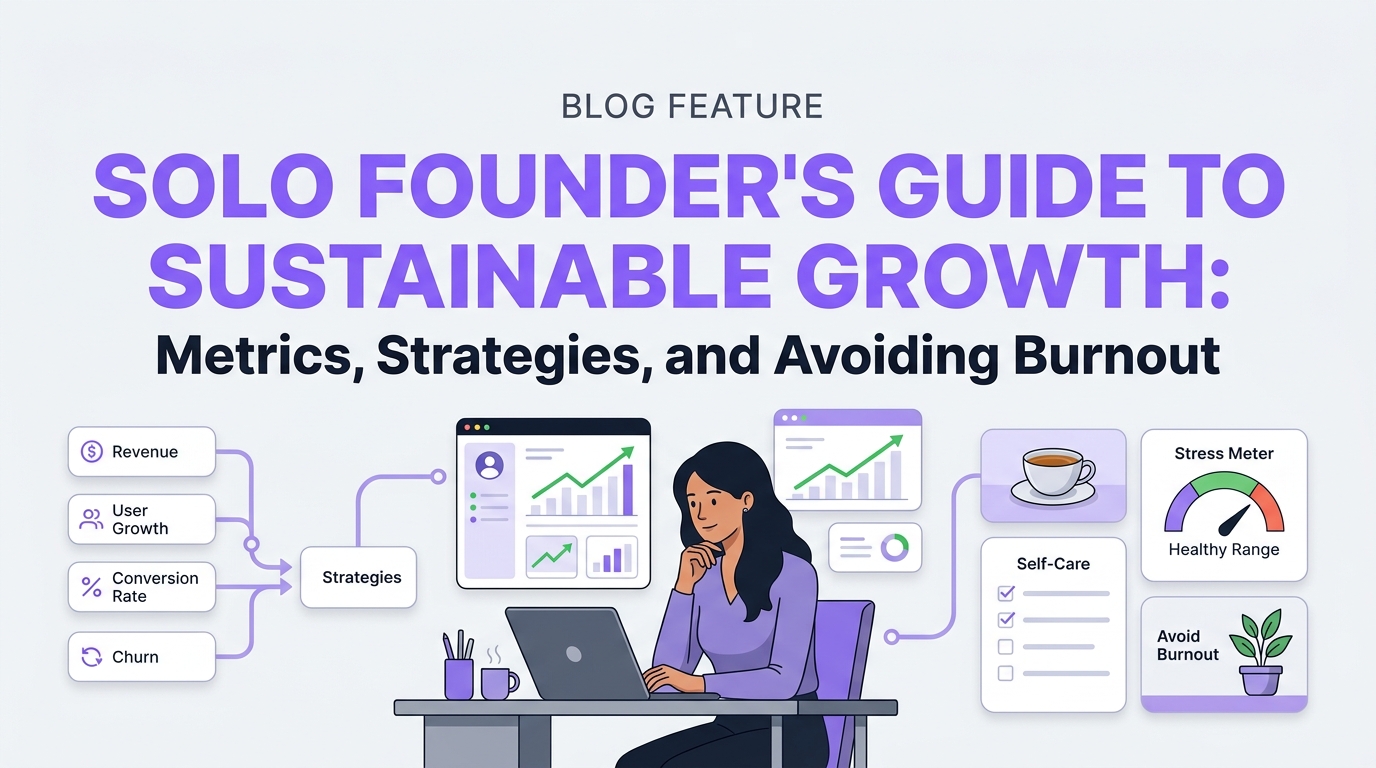
The middle ground is scaling your personal voice. You need a sustainable approach to growth that prioritizes your time while maintaining the velocity of user feedback.
You need a system that filters out the noise and alerts you to the right conversations at the right time, so you can jump in with a human, value-forward response.
This is exactly why we built Kuverly. We help founders bridge the gap between "shouting into the void" and the "manual grind." By using smart social media monitoring and outreach tools, Kuverly identifies exactly where your potential users are talking about their problems on platforms like Reddit and LinkedIn.
It allows you to step into relevant conversations, provide value, and build the trust necessary to grow your user base—without it becoming a full-time job.
Distribution is a Habit, Not an Event
Your first users aren't going to stumble upon your landing page by accident. You have to go find them.
Stop viewing "launch day" as a single, make-or-break event. Instead, treat distribution as a daily habit of being helpful in the places where your users live. When you prioritize trust over volume, you don't just get users—you build a group of early advocates who want to see you succeed.
Ready to find your first customers through meaningful conversation? See how Kuverly can help you scale your outreach without losing your soul.
Get actionable content marketing tips - straight to your inbox.
Join the Kuverly newsletter for proven strategies, fresh content ideas, and AI marketing tips. No spam, just value.